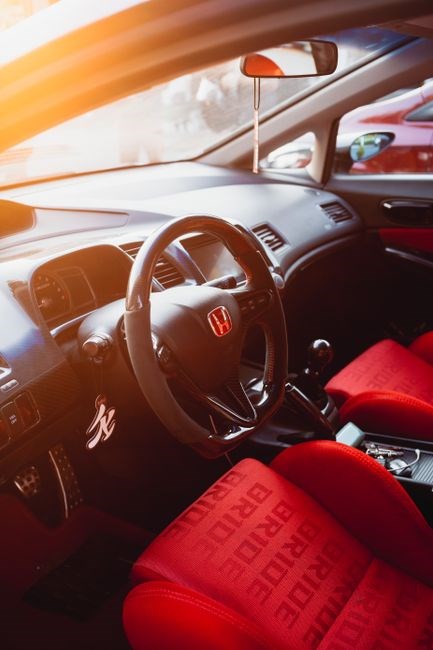
Manual gearboxes in Honda Civics rely on a specially formulated fluid to reduce wear, keep gears clean, and ensure smooth engagement. The fluid’s viscosity and additive blend protect synchronizers, prevent corrosion, and maintain optimal shift feel across the vehicle’s life. Keep it fresh!.
Why Transmission Fluid Matters for Manual Hondas
Transmission fluid is the lifeblood of a manual gearbox, providing lubrication, heat dissipation, and synchro‑cleaning. In a Honda Civic, the fluid’s specific viscosity (typically 75W‑90 or 75W‑80 for older models) matches the narrow tolerances of the synchronizers, allowing clutch release and gear engagement to occur with minimal resistance. A fresh, clean fluid reduces metal‑to‑metal contact, which otherwise would accelerate wear on gears, synchros, and bearings. Over time, contaminants such as metal shavings, carbon deposits, and water can build up, raising the fluid’s viscosity and altering its chemical properties. This leads to sluggish shifts, grinding noises, and, in extreme cases, gear slippage or failure. Proper fluid also acts as a coolant; the heat generated during gear changes can raise temperatures to levels that degrade plastic components and seals if the fluid cannot carry heat away. OEM Honda specifications (e.g., Spec 5155 or 5156) dictate additive packages that resist oxidation, maintain friction characteristics, and provide anti‑wear protection. Using the correct fluid ensures the synchronizers remain responsive, the clutch pack stays cool, and the gearbox’s internal geometry stays within tolerances, ultimately extending the transmission’s service life and preserving the Civic’s driving feel. Maintaining proper fluid levels and changing at recommended intervals is therefore essential for reliable performance, especially in spirited driving or heavy‑load conditions where the gearbox is pushed to its limits. Neglecting fluid care can result in costly repairs, so regular checks and timely replacements are a small investment for long‑term reliability.
Recommended Transmission Fluid Types for Honda Civic
Use Honda‑approved ATF Synchromesh (e.g., 75W‑90) or a high‑quality synthetic blend that meets Spec 5155/5156. Avoid generic gear oils; they lack the friction modifiers needed for smooth shifting and synchronizer protection. Ideal for daily driving!?
Standard ATF versus Synthetic Synchromesh Fluids
Standard automatic transmission fluid (ATF) is formulated for the hydraulic demands of automatic gearboxes, featuring a base oil that offers good viscosity and a blend of detergents and friction modifiers. While it can be used in some manual Hondas, it lacks the precise friction characteristics required for the synchronizer rings in a manual gearbox. Synthetic Synchromesh fluids, on the other hand, are engineered with a base oil and an additive package that delivers superior wear protection, lower friction, and better temperature stability. This results in smoother gear engagement, reduced noise, and extended synchronizer life. For a Honda Civic 5-speed manual, the OEM recommends a 75W‑90 Synchromesh fluid that meets Spec 5155/5156. Using a standard ATF may cause increased wear, rough shifting, and premature component failure. Therefore, choosing a synthetic Synchromesh fluid aligns with the vehicle’s design intent and ensures optimal performance over the long haul. In practice, owners report that switching to the recommended Synchromesh fluid can extend the life of synchronizers, while also reducing maintenance costs associated with gear replacement. Additionally, the synthetic base oil resists oxidation, keeping the fluid clear for longer periods and maintaining its lubricating properties even under high load conditions. For enthusiasts who push their Civic to the limits, the temperature tolerance of Synchromesh fluids provides a safety margin that standard ATF cannot match. Ultimately, the choice between standard ATF and synthetic Synchromesh should be guided by the vehicle’s specifications, driving style, and the desired balance between cost and durability.
Viscosity Standards and Specifications
Honda Civic manuals specify 75W‑90 Synchromesh fluid, meeting Spec 5155/5156. This viscosity balances low‑temperature shift ease with high‑temperature wear protection. Using the correct grade prevents clutch wear and ensures smooth gear engagement. (Best)!!
Honda’s Spec 5155 and 5156 Requirements
Honda’s transmission fluid specifications are critical for maintaining the longevity and performance of the manual gearbox in the Civic. Spec 5155 is the original requirement for 1990‑2000 model years, while Spec 5156 updates the additive package and viscosity criteria for newer engines. Both specifications mandate a 75W‑90 Synchromesh fluid that meets the ISO V 2895 standard, ensuring proper synchronizer lubrication and heat dissipation. The additive blend includes anti‑wear agents, corrosion inhibitors, and friction modifiers that reduce metal‑to‑metal contact during gear engagement. Honda’s technical service bulletins indicate that using a fluid that meets either Spec 5155 or 5156 guarantees optimal shift feel, prevents premature clutch wear, and protects the synchronizer rings from galling. When selecting a fluid, it is essential to verify the manufacturer’s labeling for “Honda Spec 5155” or “Honda Spec 5156” compliance, as generic ATF products may lack the precise additive balance required. Failure to adhere to these specifications can result in harsh shifting, increased noise, and accelerated component degradation. Therefore, owners should always consult the owner’s manual and choose a fluid that explicitly states compliance with Spec 5155 or 5156 to preserve the Civic’s manual transmission integrity.
Optimal Fluid Change Intervals
Honda recommends changing manual transmission fluid every 30,000 miles or 36 months, whichever comes first, to maintain synchronizer health and prevent contamination. Regular checks help detect leaks and ensure smooth gear engagement throughout the vehicle’s life. Follow the owner’s manual for intervals.!!

Manufacturer Guidelines and Mileage Ranges
Manufacturers provide specific intervals to preserve the longevity of a manual transmission. For the Honda Civic, the official service manual cites a 30,000‑mile or 36‑month schedule, whichever occurs first. This recommendation balances the wear of synchronizer rings, clutch plates, and bearing assemblies against the natural degradation of the fluid’s additive package. Honda’s guidelines also note that extreme driving conditions—such as frequent short trips, heavy towing, or high‑temperature operation—may accelerate fluid breakdown, prompting an earlier change. Conversely, if the vehicle is driven primarily on long, steady highways with minimal gear shifts, the fluid’s life can extend beyond the nominal interval. To aid owners in making informed decisions, Honda offers a diagnostic tool that monitors fluid condition via a pressure sensor and temperature gauge, alerting the driver when the fluid’s viscosity falls below the threshold required for optimal gear engagement. Adhering to the manufacturer’s mileage ranges not only protects the mechanical components but also ensures that warranty coverage remains intact, as many dealerships require proof of timely fluid service before approving repairs or replacements. Ultimately, respecting these intervals safeguards the transmission’s performance, reduces maintenance costs, and preserves the vehicle’s resale value. Owners should also verify fluid color odor, a burnt or milky hue signals contamination may compromise shifting quality daily!!.
Step-by-Step Fluid Check Procedure
Park the Civic on level ground, engage parking brake, and let engine idle. Open the hood, locate the manual transmission dipstick. Remove, wipe, reinsert fully, then pull out to check fluid level and color. The fluid should be orange‑red, free of metal shavings. If low, add OEM ATF to the marked line.!!!!!
Tools, Positioning, and Level Assessment
When performing the check, keep a clean rag nearby to wipe the dipstick and avoid cross‑contamination. If the fluid appears cloudy or contains metal shavings, it indicates wear and a need for a full drain and flush. A proper drain involves removing the drain plug, allowing the fluid to run out into a pan, then reinstalling the plug with a torque wrench to the manufacturer’s specified torque. After draining, flush the system with using funnel, and refill to the “Full” mark. Always double‑check the level after a short drive to confirm the fluid remains within the acceptable range.!!
When the transmission fluid is low or contaminated, it can lead to harsh shifting, increased noise, and even overheating of the gearbox. A common symptom is a delay between pressing the clutch and the gear engaging, often accompanied by a grinding sound. Over time, metal particles from worn synchronizers can accumulate, causing the fluid to appear dark and gritty. To prevent these issues, it’s advisable to inspect the fluid at least every 15,000 miles or once a year, whichever comes first. During the inspection, look for a clear, bright orange hue and a pleasant, non‑acrylic smell. If the fluid is cloudy, discolored, or has a metallic taste, a drain and flush is warranted. The drain should be performed drain pan and plug tightened to manufacturer’s torque specification. After refilling, it’s prudent to perform a short test drive, checking for smooth gear engagement and ensuring the fluid level remains within the acceptable range. Consistent maintenance not only preserves the longevity of the transmission but also enhances overall driving comfort and reliability.!!!???!
Procedure for Draining and Replacing Fluid
Begin by lifting the Civic with a jack and securing it on jack stands. Remove the transmission drain plug, let fluid drain, then replace the plug. Next, flush with fresh fluid, refill to the marked level, and check for leaks and seal OK!
Drainage, Flushing, and Refill Techniques
Begin by placing the vehicle on a level surface and raising the front with a jack. Secure it on jack stands before proceeding. Locate the manual transmission drain plug on the lower side of the gearbox. Remove the old fluid to drain completely into a suitable container. After draining, reinstall the plug and tighten to the manufacturer’s torque specification.
Next, perform a flush to remove any remaining debris. Attach a hose to the fill port and run a steady stream of fresh ATF through the system until the new fluid circulates properly. This step ensures that all old particles are removed and the new fluid circulates properly. Once flushed, remove the hose and reattach the fill cap.
Finally, refill the transmission with the recommended ATF. Use a funnel to avoid spills and fill to the marked level on the fill cap. After filling, start the engine and shift through all gears to circulate the fluid. Check for leaks around the drain plug and fill cap. If the fluid level remains stable and no leaks appear, the procedure is complete.
After completing the refill, it is advisable to perform a short test drive. Observe the shift quality, listen for any clunking or grinding noises, and verify that the fluid level remains steady. If any irregularities appear, re‑check the fill cap and drain plug for proper seating. A well‑maintained fluid system ensures longevity and reliable performance. Check the fluid’s hue; it should be clear amber Dark particles mean a full change is needed
Common Symptoms of Low or Contaminated Fluid
Low or dirty manual‑transmission fluid in a Honda Civic shows as rough shifting, delayed engagement, whining or grinding noises, and overheating. A sudden loss of smoothness or a burning smell signals a fluid issue that needs immediate inspection. Check the fluid level replace it every 30,000 miles.!
Shifting Issues, Noise, and Overheating
When a Honda Civic’s manual transmission fluid drops below the recommended level or becomes contaminated, the driver will notice a series of unmistakable symptoms that can compromise safety and performance. The first warning is a noticeable delay between the driver’s input and the gear’s response. Instead of the crisp, immediate engagement expected from a well‑lubricated clutch and synchronizer set, the driver feels a lag or a “slip” as the gear attempts to bite. This lag is often accompanied by a grinding or whining noise that originates from the synchromesh rings, indicating that the fluid is no longer providing the necessary friction and lubrication. In addition, the transmission may overheat, especially during prolonged hill starts or heavy towing. The heat manifests as a burning smell when the driver checks the fluid, and the temperature gauge may climb above the normal operating range. Overheating can accelerate wear on the clutch plates and shift forks, leading to a vicious cycle of performance decline. Finally, the driver may observe a rough shifting pattern: gears may skip or jump, and the gear selector may feel stiff or unresponsive. These symptoms are a clear sign that the fluid needs to be inspected, topped up, or replaced promptly to restore smooth operation and extend the life of the transmission components. If ignored, these issues can culminate in failure, forcing costly repairs or a complete gearbox replacement, which is far more expensive than routine fluid maintenance

Top Brands and Recommended Products
Top choices for Honda Civic manuals include Mobil 1 Synchromesh, Valvoline Synchromesh, Red Line Synchromesh, and Castrol Transmax. These meet Honda’s 5155/5156 specs, offering smooth shifts, low wear, and reliable protection. These fluids offer high‑temp stability and low‑shear performance for q shifts.!
Comparison of ATF Synchromesh and OEM Options
When selecting a fluid for a manual Honda Civic, the choice often boils down to generic ATF Synchromesh versus an OEM‑approved product. Both satisfy Honda’s 5155/5156 specs, yet they differ in formulation, cost, and long‑term reliability. Generic ATF Synchromesh fluids—Mobil 1 Synchromesh, Red Line Synchromesh, or Valvoline Synchromesh—feature a high‑temperature additive package that reduces friction and wear on synchronizers, offering a broader temperature range useful in extreme climates or for drivers who shift aggressively. OEM fluids, such as Honda’s own Synchromesh, are engineered to match the exact viscosity and additive chemistry specified for the Civic’s gearbox, ensuring optimal seal compatibility, gear protection, and warranty compliance. In practice, many owners find that a premium generic ATF Synchromesh delivers comparable shift feel and longevity while saving money, but those who prioritize manufacturer endorsement or operate under conditions that match OEM testing may prefer the OEM fluid. Ultimately, the decision hinges on cost versus guaranteed compatibility, driving style, and warranty considerations. For fleet operators or those who value a single source of truth, the OEM fluid simplifies maintenance schedules and parts inventory, whereas performance enthusiasts may favor the advanced additive blend of a high‑quality generic ATF Synchromesh to reduce gear chatter and extend synchronizer life. Moreover, aftermarket ATF Synchromesh often contains anti‑wear additives that help prolong synchronizer life, especially under heavy manual use. Some users report smoother shifts after switching to a premium ATF Synchromesh, noting reduced gear chatter. Conversely, OEM fluids are typically slightly cheaper per gallon and come with the assurance that the Civic’s service manual recommends them. For those who prefer a single source of truth, sticking with the OEM fluid may simplify maintenance schedules and parts inventory. Ultimately, the choice should reflect the vehicle’s usage pattern, the owner’s budget, and the importance placed on warranty compliance. Choosing the right fluid ultimately depends on balancing performance, cost, and warranty peace of mind. Owners should also consider the vehicle’s climate and driving habits when selecting fluid. Regular fluid checks can prevent costly transmission repairs.